Food Facts for All at LearnEats
Your go-to guide for safe eating! Discover what humans, pets, and animals can eat at LearnEats
Healthy Human Eating: Safe Food Choices
Focus on nutrient-rich foods like colorful vegetables, lean proteins, and whole grains to provide essential nutrients, support heart health, boost immunity, and improve well-being.
Avoid processed foods high in added sugars and unhealthy fats, which raise risks of diabetes and obesity.
Prioritize food safety: wash produce to remove pesticides, cook meats to safe temperatures to prevent illnesses, and choose organic or local options to reduce chemical exposure and support sustainability.
Human Diets →

Pet Nutrition: Feed Your Furry Friends
Giving your pet a balanced diet is key to keeping them healthy and happy. Opt for high-quality foods packed with proteins, healthy fats, and vital vitamins to boost their energy, growth, and immune system. Go for whole ingredients like chicken, fish, or veggies, and skip fillers such as corn or artificial additives that don’t add much nutrition.
Safe feeding habits matter too—always scan for toxic stuff like chocolate or xylitol that could harm your pet.
Keep fresh water on hand, control portions to avoid weight gain, and stick to vet-approved or natural options to cut down on risks.
Pet Diets →Farm Animal Diets: Nourish with Care
Providing the right diet is key to keeping your farm animals healthy and thriving. No matter if you’re caring for chickens, goats, or other livestock, focus on feeds rich in proteins, vitamins, and minerals to support their growth and energy levels.
Take chickens, for example they can enjoy grapes as an occasional treat, but steer clear of anything toxic like avocados.
Safe feeding habits go a long way in protecting your herd or flock. Double-check feed labels to avoid any nasty additives or contaminants.
Farm Animals Deits →
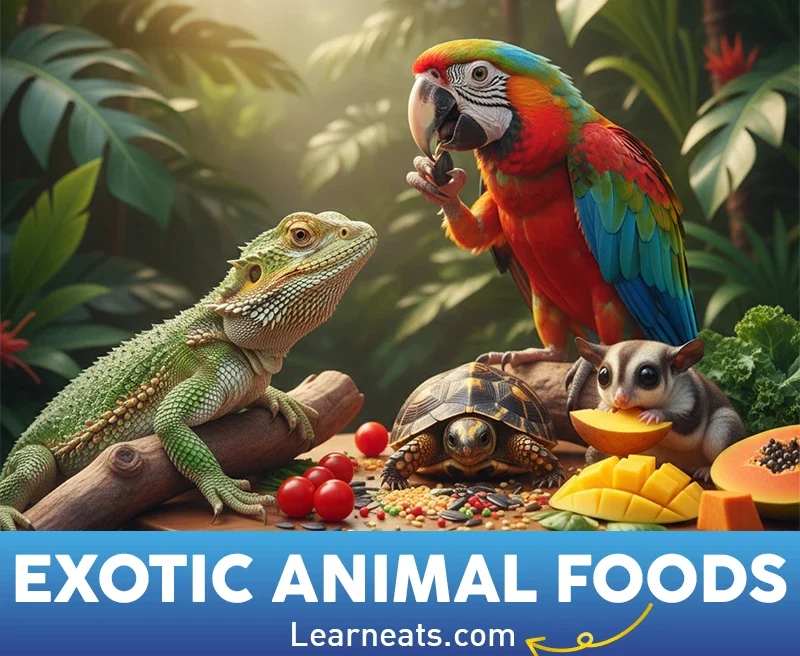
Exotic Animal Foods: Unique Diet Insights
Good nutrition is key to keeping wild and exotic animals healthy and thriving.
If you’re caring for something like a bearded dragon or a parrot, focus on foods packed with the nutrients they need based on their species.
Take bearded dragons, for instance—they can have tomatoes now and then, but leafy greens should be the mainstay of their diet.
Steer clear of risky options, such as iceberg lettuce for turtles or sugary snacks for sugar gliders, to avoid potential health problems.
Exotic Animals Diets →